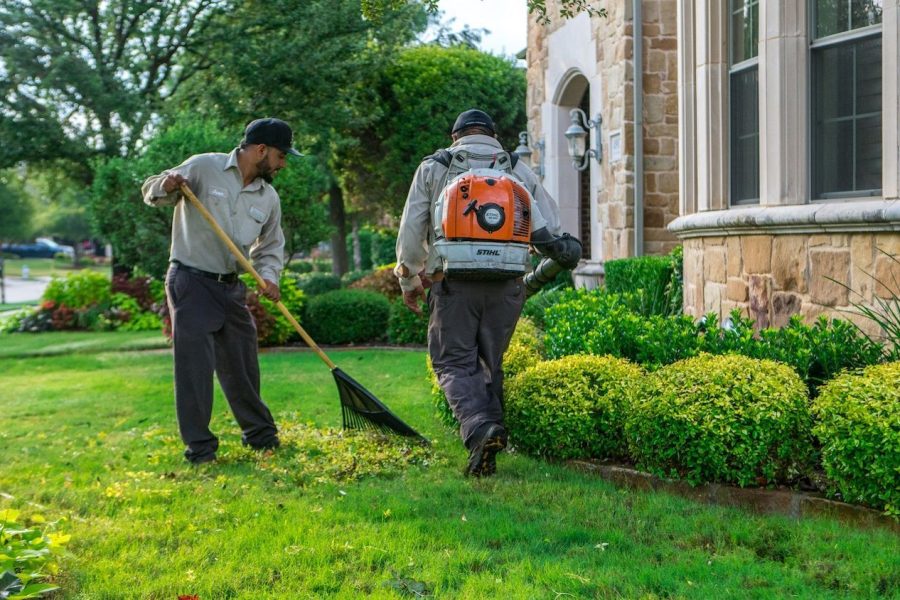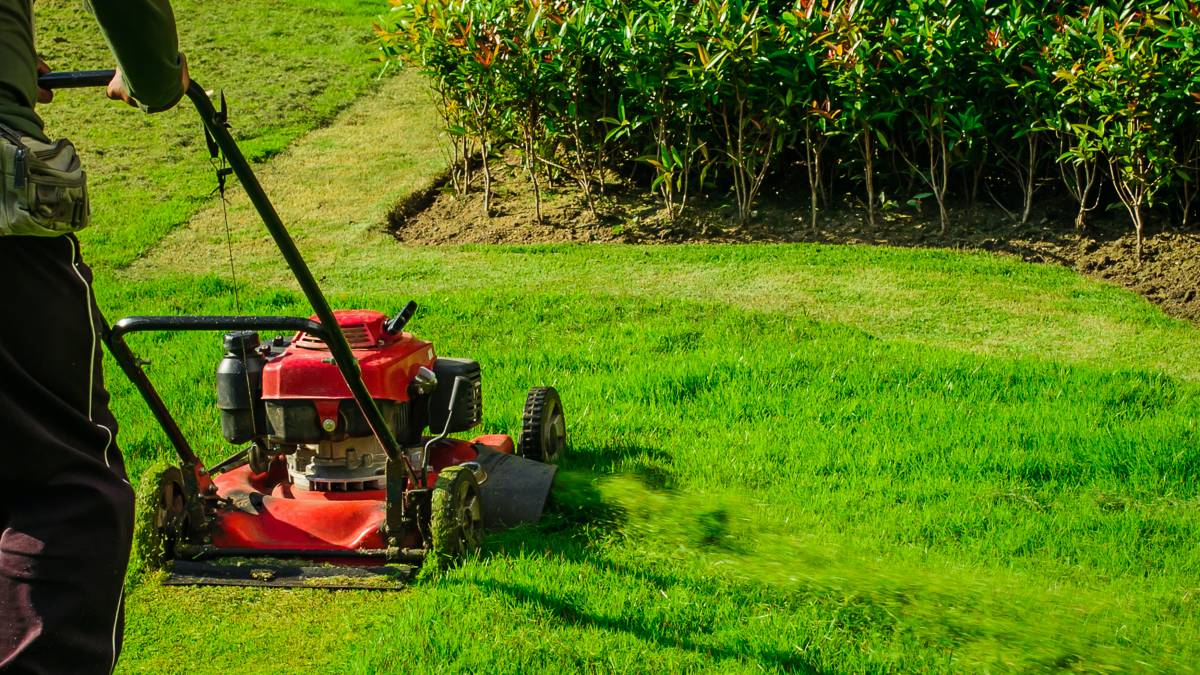
Sometimes, growing low-maintenance marigolds or blue hydrangeas in your garden isn’t enough, not when they thrive on consistent care. If left unmonitored, you may expect rapid weed takeover, pest infestations, and long-term soil degradation, transforming the garden into a wild ecosystem.
Did you know? It’s not the lack of tending to the garden that potentially destroys its ecosystem but also an abundance of it. Most lawns are managed with a ‘less is more’ approach. So, instead of reserving hours for maintaining your garden, it’s better to trust an expert.
From a practical standpoint, keeping up with garden health is a near-impossible task for busy homeowners. Considering how there’s more to life than assessing the health of garden soil, choosing professional Lawn and Garden Maintenance service providers may be the best decision you make this year.
What Makes a Garden Easy to Maintain?
No one likes to do things the hard way when a simpler alternative exists. So, before you decide what plants should grow in your garden, get one thing straight. Any garden becomes easy to maintain when it is designed to work with nature rather than against it, supported by proper spacing, simple layouts, and efficient watering.
Start by selecting plants suited to the local climate in your home regions within Oshawa, Blackstock, Courtice, Newcastle, or Bowmanville. Most of these areas share a humid continental climate, which means it’s perfectly fine to grow native perennials such as purple coneflowers, black-eyed susans, daylilies, and hostas.
Besides that, you can also go for shrubs and tree varieties like serviceberry, boxwood, creeping juniper, red osier dogwood, and white oak. Growing such plants allows them to survive on natural rainfall while resisting local pests. Next up comes the maintenance of the soil itself. It’s highly recommended to amend it with rich compost for a stronger foundation.
But it’s not possible to ensure Lawn and Garden Maintenance without effective mulching. Typically made of organic wood chips, straw, or bark (or inorganic alternatives like gravel or pebbles), mulch creates a protective barrier that’s essential for water retention, weed suppression, and temperature regulation.
Tip #1: Start with a Weekly 15–30 Minute Garden Check
There’s no harm in checking what state your garden is currently in. So, don’t hesitate to take some time out for assessing whether there’s weed growth you need to be concerned about. As for the presence of dead leaves in your garden, a mix of information tends to confuse busy homeowners.
But a clever way to ensure Lawn and Garden Maintenance is to follow the ‘50% dead leaves’ approach. Coverage beyond that requires removal. Similarly, look for damaged branches and soil health. To check, stick a finger into the dirt (about an inch). If it’s dry, water is needed, though if it’s soggy, you might need to scale the plant back.
Tip #2: Keep Weeds Under Control Before They Spread
The wind is certainly not in your control, but maintenance of your garden surely is. For this reason, you can expect a sudden growth in your property of unwanted native, wind-blown Ontario weeds like dandelions, Canada fleabane, dog-strangling vine, or wild parsnip.
To avoid this common garden problem, snip off flower heads of grown weeds and add a 3-inch layer of organic mulch over the soil. Not only does it help block sunlight, keep the soil moist, and insulate plant roots, but it also prevents dormant weed seeds from germinating.
Tip #3: Water Plants Efficiently Instead of More Often
Watering plants at your convenience isn’t the same as watering them efficiently. When it comes to keeping your plants hydrated, choose the latter and incorporate it into your regular gardening practice. If not, you’ll likely deal with midday evaporation, wet leaves, and shallow roots, resulting in the plant drying out quickly.
Get it done right by remembering three things: frequency, timing, and quantity. Water your plants less often but thoroughly, aiming for 1-1.5 inches of water per week. To prevent evaporation and root rot, water between 6 am – 9 am, and skip the process if the soil’s too wet.
Tip #4: Prune Dead or Overgrown Plants Regularly
Sometimes, getting rid of what’s no longer serving you can be the best decision you make. And the same is true for Lawn and Garden Maintenance. Noticing dead, damaged, or diseased parts is the ultimate cheat sheet for pruning the unwanted parts of your otherwise healthy plants.
The damage may show up in the form of: a shriveled appearance; a gradual change into brown or black shades; the presence of tears, chew marks, and sun-scorch marks or yellow halos with powdery mildew. Pruning allows sunlight and airflow into the plant, which prevents mold and pests from spreading.
Tip #5: Refresh Mulch to Retain Moisture and Reduce Weeds
Retaining moisture is as important as avoiding overwatering. To ensure effective Lawn and Garden Maintenance, consider using organic mulches in your garden beds, with a fresh layer added every fall. When materials like shredded bark, leaves, or straw begin to decompose (over time), they supply your plants with vital nutrients while improving soil structure.
The second factor that demands your consideration is the depth of the mulch. Use too little of it, and it won’t suppress weeds or retain moisture. Pour too much, and it’ll suffocate the plant. An optimal depth is between 2 and 3 inches, with the plant stem kept at a similar distance.
Tip #6: Choose Low-Maintenance Plants for Easier Garden Care
Ontario is a huge province, so it’s less likely that a fixed set of plants would suit the soil of every area. If you’re living in the areas of Oshawa, Blackstock, Courtice, Newcastle, or Bowmanville, then it’s advised to go for low-maintenance plants that thrive in local conditions.
Professionals for Lawn and Garden Maintenance recommend native Ontario plants like purple coneflower and black-eyed susan to attract pollinators, whereas hardy perennials like daylilies and hostas are the perfect choice for shady corners. Pair this with ground covers of Canada Anemone, and it’ll act the same as mulch.
For plants you wish to place in the sunlight, it’s best to go for drought-tolerant ones. Varieties like Autumn Joy, Aster, and Russian Sage are excellent for storing water in their foliage. Though what good is a garden without luscious shrubs? To provide year-round color and structure, choose boxwood and creeping juniper.
However, if you don’t have enough of a window to tend to your garden as frequently, then you can simply go for slow-growing plants. In this, dwarf globe blue spruce and fothergilla are known for requiring minimal pruning and maintaining a compact shape.
Garden Maintenance Tasks You Can Do Once Each Season
Season |
Core Tasks |
Details for Easy Lawn and Garden Maintenance |
Spring |
Clean Up | Rake away dead leaves and trim back the winter-damaged stems on perennials once the last spell of the season passes. |
| Mulch | Add a fresh 2- to 3-inch layer of organic mulch to suppress weeds and lock in moisture. | |
| Plant | Sow cool-season vegetables (if you prefer) like lettuce or peas, and plant resilient spring-blooming perennials like Peonies. | |
Summer |
Attentive Watering | Water the base of plants 1-2 times per week instead of shallow, daily watering. |
| Deadhead | Feel free to snip off faded flowers on plants like coneflowers and black-eyed susans so that new blooms can bring color to your garden again. | |
| Weed | Take your time in pulling out weeds by hand before they are given the chance to germinate and take over. | |
Fall |
Plant Bulbs | Plant spring-flowering bulbs like tulips and daffodils (or any flowers of your liking) before the ground freezes. |
| Divide & Clean | Separate overgrown perennials and clear away diseased foliage to keep pests from overwintering. | |
| Winterize | Wrap young or delicate tree trunks and don’t forget to water evergreens deeply before winter comes. | |
Winter |
Protect | Brush heavy ice and snow off evergreen branches (through gentle movements) so that they don’t break. |
| Plan | Utilize this time to review your very own garden journal and lay out the perfect plan for when spring comes. | |
| Tool Care | Clean, sharpen, and oil your gardening tools for the next season of growth, to create ease for yourself. |
Time-Saving Garden Maintenance Tips Every Homeowner Should Know
Busy homeowners rarely get time for personal commitments; it’s less likely they would secure any to maintain their gardens. But Lawn and Garden Maintenance doesn’t necessarily have to involve hard work. A few practices can also make a big difference. All your garden needs is a set of time-saving, smart strategies.
- Apply mulch to reduce weeds and watering: Spreading a 2 to 3-inch layer of organic mulch around your plants and flowers helps lock in soil moisture, reduce evaporation, and suppress weed growth.
- Install drip irrigation or soaker hoses: Laying hoses directly on the soil surface at the base of your plants can automate watering, allowing moisture to seep into the roots without the need to hold the hose.
- Group plants with similar watering needs: Strategically pair plants with the same requirements (based on watering frequency or soil type) to make it easier to avoid overwatering or underwatering.
- Use slow-release fertilizers: Apply granular, slow-release fertilizers in the spring to ensure consistent feed over the next few months, which also eliminates the need for mis-season mixing and feeding.
- Prune regularly instead of waiting: Be quick to snip off dead, damaged, or diseased branches, as it helps you skip the massive, overwhelming rounds of seasonal pruning.
- Edge garden beds to reduce grass spread: Creating a boundary would never go to waste when it comes to avoiding turfgrass aggressively creeping into underground roots, which is best done through bricks, paving stones, or a cut trench (which is an effective, low-cost border).
- Clean garden tools after use: The equipment used for tending to your lawn also deserves proper upkeep, so brush soil off your pruners, spades, and trowels to avoid plant diseases and wooden handles from rotting/metal blades from rusting.
- Remove weeds while they’re small: Pulling weeds when they are just tiny seedlings is a good approach, as they are much easier to dislodge than deep-rooted, fully grown ones.
Explore When Professional Garden Maintenance Makes Sense for Busy Homeowners!
A few more hours of sleep over the weekend or a well-needed getaway with your friends; anything can come up when you’re just planning to tend to your garden. And ignoring the pending tasks isn’t an option either. For this reason, some things are better left to professionals.
With plenty of time on their hands, Lawn and Garden Maintenance services by Allison Bros are for responsible-yet-busy homeowners in the Oshawa, Blackstock, Courtice, Newcastle, or Bowmanville regions. Not only does our team provide you with a thorough assessment of your home garden, but we also specialize in strategic fertilization in line with the right seasonal windows.
Are you also frustrated with the aesthetic mismatch between your home’s solid build and its neglected garden? If that’s a yes, get in touch with our team today.
Frequently Asked Questions (FAQs)
Q1. What is the most common mistake of first-time gardeners?
Improper watering is the most common mistake that homeowners make when trying out garden maintenance on their own. They assume that a greater quantity of water would result in better plant health, but that approach has the opposite effect.
Q2. What are some gardening tips for beginners?
Some effective gardening tips for beginners include: assessing the area for at least 15 to 30 minutes, aiming for weed control by cutting off flower heads, watering optimally, pruning dead or overgrown plants regularly, incorporating mulch to retain moisture, and being selective about what you plant in the first place.
Q3. What makes a garden look beautiful?
A strategic layout, selective planting, color harmony, texture contrast, and regular Lawn and Garden Maintenance help improve its appearance and functionality.
Q4. What is included in garden maintenance?
Experienced service providers for Lawn and Garden Maintenance offer a wide range of scheduled and seasonal activities, including lawn care, weed control, pruning, trimming, plant care, soil care, and waste removal.