Fall is your last chance to prepare your lawn before winter arrives, which makes it one of the most important seasons for lawn and garden maintenance across Ontario.
That importance comes from what happens below the surface: grass slows above ground while its roots continue growing.
Because those roots are still active, the work you complete now influences how your turf looks in April. This is why consistent fall care helps your lawn enter spring healthier and better prepared.
Why Fall Lawn Maintenance Is Essential Before Winter
Fall matters because cool-season grass shifts energy to its roots as top growth slows. Here are 6 benefits of that process:
- Strengthens turf/grass before dormancy sets in
- Builds deeper roots that handle freeze-thaw cycles
- Helps prevent winter damage like crown injury and snow mould
- Leaves fewer gaps for spring weeds to fill
- Improves drainage and reduces soil compaction
- Returns greener growth sooner and protects your lawn investment
Complete Fall Lawn Maintenance Checklist
A full fall checklist starts with final mows and leaf clearing, then moves through aeration, feeding, seeding, weed control, bed cleanup, and drainage checks before the ground freezes. That order matters because timing can affect how well each task works. As part of regular property maintenance, this checklist helps protect a home’s value season after season. Here are the 10 steps.
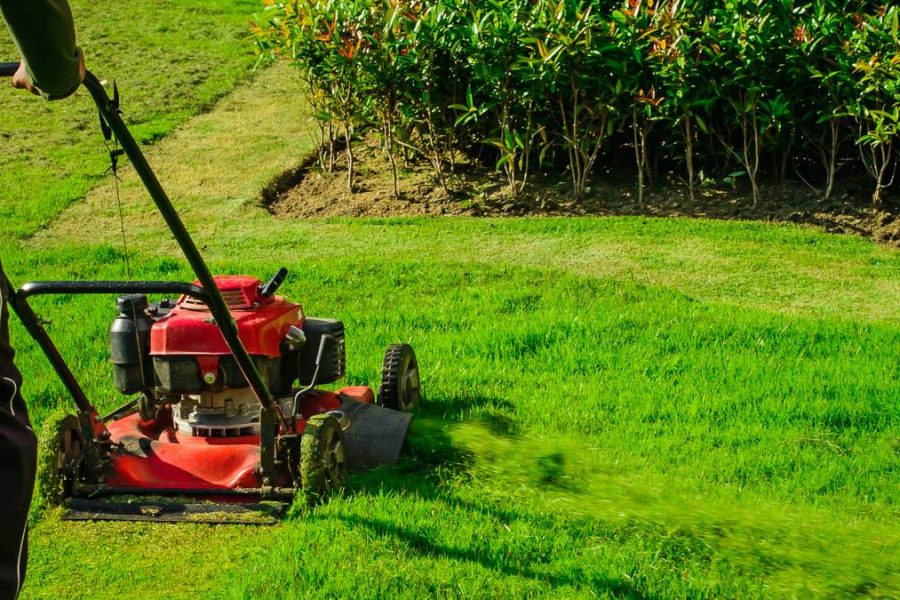
1. Continue mowing until grass stops growing
Grass continues growing until soil temperatures fall to 10 degrees, which usually occurs between late October and mid-November. Because of that continued growth, keep mowing until then. When those final mows arrive, 3 habits matter most:
- Lower the cutting height across your final three passes
- Aim to finish near two and a half inches, never scalped
- A sharp blade also helps the final cut heal cleanly.
2. Remove fallen leaves regularly
Leaves block light and trap moisture against the turf, and a soaked mat left through winter turns into snow mould by March. To avoid that, focus on 4 simple steps:
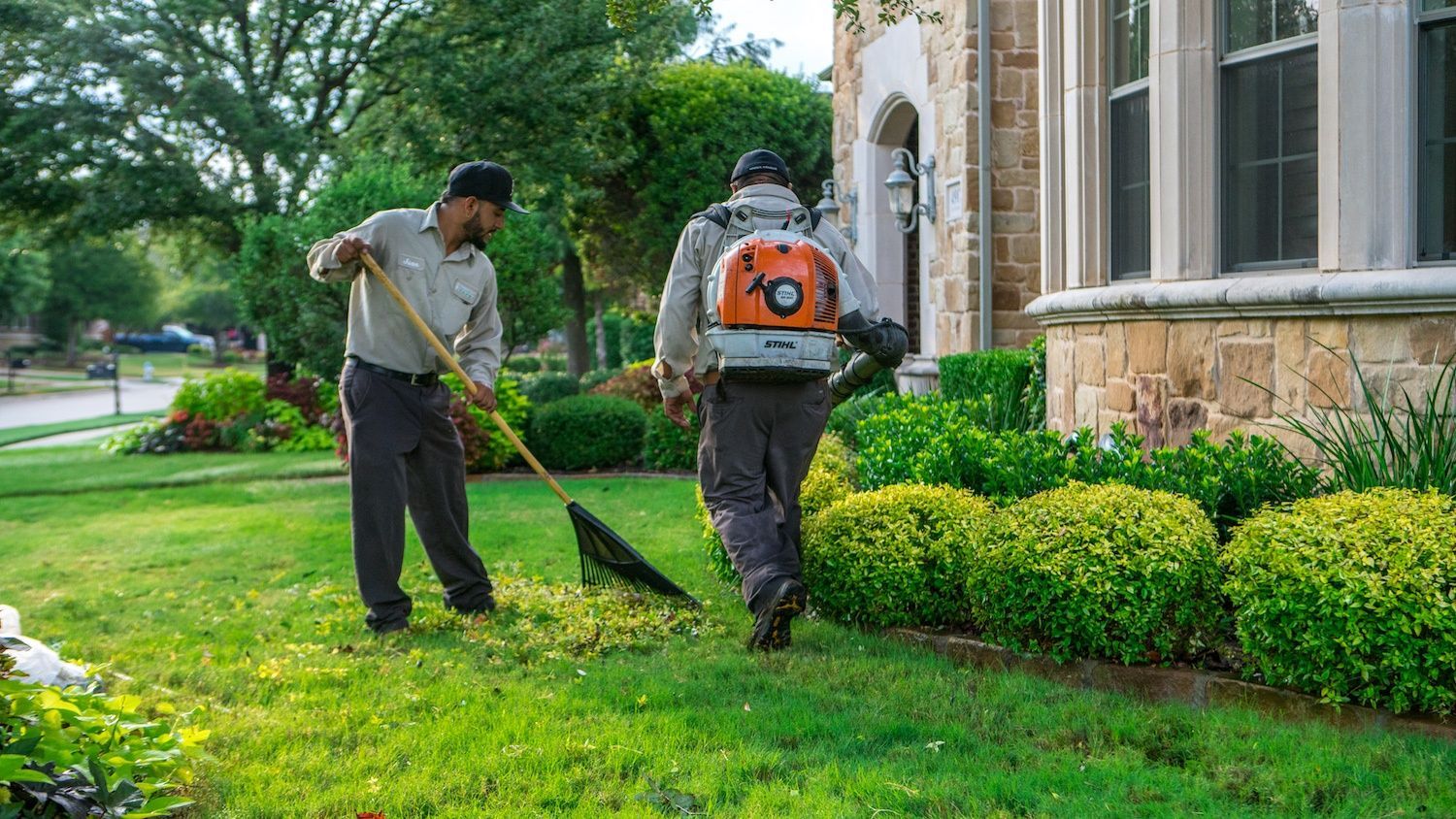
- Rake or blow before rain packs the layer down
- Use your mower to mulch light leaf cover
- Haul heavy piles of grass and garden beds
- At the same time, clear drain grates and walkways.
3. Aerate the lawn to relieve soil compaction
Aeration pulls small plugs from the ground so water and nutrients reach the root zone again. This is especially important in Ontario, where clay soil becomes compacted through summer and makes fall aeration necessary. 3 steps help make fall aeration more effective:
- Aerate when the soil is moist, not soaked
- Use a core aerator rather than a spike model
- Leave the plugs on the surface so they return nutrients to the soil.
4. Dethatch if the lawn has excess thatch
Thatch is the spongy layer of dead stems between the grass and soil, and a layer thicker than half an inch can block water. A thick thatch layer usually shows up in 3 ways:
- The lawn feels spongy underfoot instead of firm
- Water pools or runs off instead of soaking in
- Fertilizer no longer seems to improve the grass
5. Apply fall fertilizer to support root growth
Fall feeding pushes nutrients into the roots while top growth slows, and that stored energy produces the first flush of color next spring. 3 steps help make the application work properly:
- Apply it from late September through mid-October
- Choose a fertilizer with higher potassium for cold tolerance
- Water it in if no rain falls within a day
6. Overseed thin or bare areas
Overseeding fills thin areas of your lawn by adding fresh grass seed where the turf has begun to thin. That is why early fall is the strongest overseeding window all year. Follow these 4 steps:
- Seed right after aeration so the holes hold moisture
- Match the blend to shade and foot traffic
- Rake lightly so seed reaches soil rather than thatch
- Keep the surface damp until seedlings are established
7. Control weeds before winter
Perennial weeds pull nutrients down into their roots during fall, and any treatment you apply travels the same route. That makes fall a good time to tackle weeds with these 3 methods:
- Pull broadleaf weeds by hand while the soil is soft
- Spot-treat stubborn patches instead of treating the whole lawn
- Fill bare spots with seed so weeds have fewer places to establish
8. Clean up garden beds and lawn edges
Bed cleanup removes debris where pests and disease can overwinter, and a crisp edge keeps bed soil from washing into the turf. A complete fall cleanup comes down to these 4 tasks:
- Cut back spent perennials and remove annuals by the roots
- Bag fallen fruit, dead foliage, and weeds
- Refresh the mulch to protect roots during freeze-thaw changes
- Re-cut the edge between beds and lawn
9. Inspect drainage around the lawn
Standing water freezes and cuts off oxygen to the grass underneath, so a low spot ignored in November can become a dead patch by April. That is why drainage deserves attention even though it rarely makes it onto a lawn and garden maintenance checklist. These 3 checks help find drainage issues:
- Mark anywhere water sits longer than a full day
- Clear downspout outlets and slope soil away from the foundation
- Fill sunken areas so the surface drains properly
10. Protect newly planted trees, shrubs, and hedges
Young plantings have shallow roots and developing root systems, leaving them more exposed to wind, road salt, and temperature changes. 3 steps help young plants handle winter:
- Water deeply until the ground freezes
- Mulch the base without piling it against the trunk
- Wrap cedars and young hedges with burlap to protect them from wind and salt
Essential Tools for Fall Lawn Maintenance
7 tools cover the entire checklist, and most homeowners already own a few of them.
| Tool | What it handles |
| Lawn mower | Final cuts and leaf mulching |
| Leaf rake or blower | Clearing turf and beds |
| Core aerator | Relieving compacted soil |
| Dethatching rake | Stripping the dead layer |
| Fertilizer spreader | Even feeding across the lawn |
| Garden hose | Watering in seed and feed |
| Pruning shears | Cutting back perennials and shrubs |
Common Fall Lawn Care Mistakes Homeowners Make
Most fall damage comes down to timing rather than effort because homeowners often stop mowing, cleanup, or treatments too early or leave them too late. 8 mistakes cause most of these problems:
- Stopping mowing too early: Long grass flattens under snow and creates conditions for snow mould.
- Leaving leaves on the lawn: A wet mat blocks light and smothers the turf beneath it.
- Skipping aeration: Compacted soil keeps water and fertilizer from reaching the roots.
- Ignoring thatch buildup: A thick layer holds moisture at the surface and encourages disease.
- Fertilizing too late: Grass cannot absorb nutrients once the ground begins to freeze.
- Overwatering before winter: Saturated soil freezes solid and damages roots through winter.
- Forgetting to repair bare patches: Open ground gives spring weeds an easy place to establish.
- Waiting until the first snowfall to clean up: Frozen debris remains trapped and leaves dead patches behind.
When Professional Fall Lawn Maintenance Makes Sense
Hiring professionals makes sense when fall lawn care takes more time or equipment than you have. Professional help is worth considering in these 7 situations:
- Large lawns that take a full day to maintain
- Schedules with no room for weekly clearing
- Compacted turf that needs core aeration
- Weeds returning every season despite treatment
- Homes that need curb appeal before a spring listing
- Homes without an aerator, dethatcher, or spreader
- Homeowners who want each seasonal task scheduled ahead
Get Professional Lawn and Garden Maintenance Throughout the Year for Your Property!
Fall lawn care works best when each task is completed within its ideal window before winter arrives. But keeping up with every task becomes difficult when your schedule is already full. That is where professional help becomes valuable, keeping each seasonal job on track before conditions change.
At Allison Bros, professional fall care includes everything from edging and aeration to fertilization and overseeding. The team keeps each task within its proper window, helping your lawn enter spring healthier and better prepared.
Book your fall maintenance service before the first frost arrives.
Frequently Asked Questions (FAQs)
Q1. When should I start fall lawn maintenance in Ontario?
Start fall lawn care in early September, while the soil is still warm and nights are turning cool. Begin with aeration and overseeding, apply fertilizer through October and finish with the final mow in November.
Q2. What should I do to prepare my lawn for winter in Ontario?
Clear the leaves, aerate compacted soil, feed the roots, patch thin spots, and gradually lower the cutting height. Check low areas too since standing water freezes into dead patches.
Q3. Can I do fall lawn maintenance myself, or should I hire a professional?
Most fall lawn care stays manageable with basic tools and a free weekend. However, aeration and dethatching are better left to professionals because equipment rentals can cost nearly as much.
Q4. What happens if I skip fall lawn maintenance before winter?
The lawn may come back thinner and take longer to green up in spring. That weaker start can also lead to snow mould, more weeds, and compacted soil, all of which require extra work to fix.