For homeowners, one thing matters more than the other: the longevity of the installed material. The money, the effort — none of it is worth it with the wrong fence for your backyard. So when it comes to choosing the right one, things can get confusing, which is why you need the perfect guide to navigate through material & style selection, maintenance, and planning factors.
It’s not just privacy you need to be concerned about. Rather, your home’s security, your backyard’s functionality, & curb appeal also add to what makes a fence perfect for your property. However, the job for fence installation and maintenance isn’t as easy as it sounds.
To get the perfect combination of safety & security without compromising on the fence’s aesthetics or longevity, it’s clear that an expert’s opinion will be helpful. So without further ado, dive into the details below.
What is the Main Purpose of a Fence?
Investing in a finished product or service can be risky if you don’t have all the facts. The interesting part? It’s not so different for fence installation. A fence’s primary purpose is to create a secure physical boundary, though what follows are secondary purposes.
Is it for privacy or just a decorative add-on? Is it to keep your family safe or to be a considerate neighbor? Ultimately, you’ll be required to narrow down your options to what you really need the fence for. But if you’re still confused about the right one, fence installation experts can be of great help.
Why Choosing the Right Backyard Fence Matters
Every decision you make must fall in your favor, which is why choosing the right backyard fence matters so much. If you rummage through the variety of fences available in the market, you can easily lose track. Whether it’s versatile wood, maintenance-free vinyl, durable metal, or composite material – the options are endless.
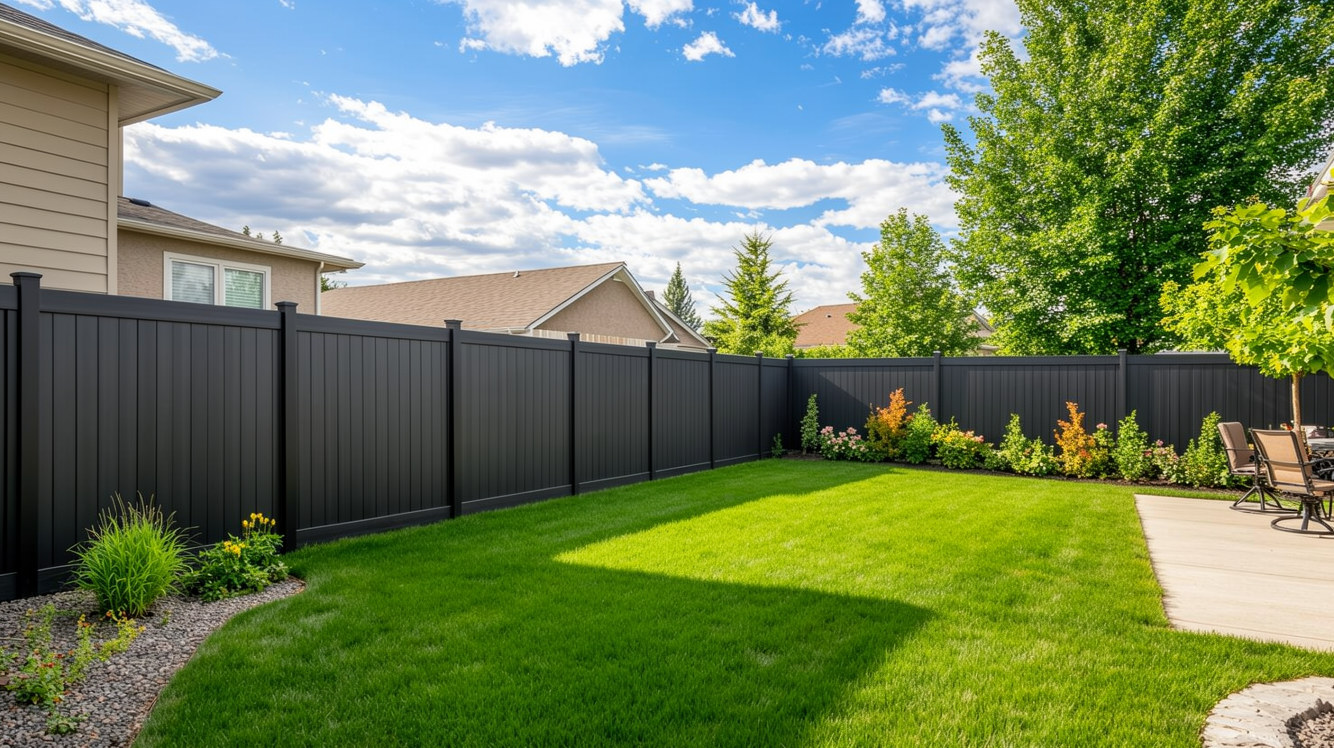
Solid & tightly spaced designs are perfect for blocking unwanted looks from passersby, whereas a sturdy metal or vinyl fence provides an excellent barrier against intruders & vandalism, while keeping your family & pets safe.
Though if you also want to add a dash of charm to your backyard, modern & sleek variations can enhance your home’s curb appeal. Similarly, if your goal is to contain the noise to your home’s boundary, then solid wood & composite materials serve as an effective sound barrier against traffic & construction.
Fence Height and Backyard Layout Considerations
Once you’re clear on why you want to get a high-quality fence professionally installed, the next step involves its height. With intended use playing an important role in determining height, you also need to take your backyard’s size into consideration. Just bear this in mind:
- Taller fences accommodate large yards, and low fences do the same for compact ones.
- Fence height should be just enough to block non-essential natural light.
- Adherence to local building codes for fence height limits is mandatory.
4 Popular Fence Materials for Homes
Selecting fence materials means balancing budget, privacy, maintenance, and aesthetics at once. So, to make the most of the info available online, you should check out popular fencing options like wood, vinyl, metal, and composite. For a quick breakdown before deciding on fence installation and maintenance, read this.
1. Wood Fencing
A timeless classic, known for aesthetic appeal & high adaptability, making it easier for custom height & design work for installation crews. However, constant maintenance is a mandatory requirement to keep its structure in shape.
- Affordable fencing option
- Offers strong privacy
- Can be repainted easily
2. Vinyl Fencing
Homeowners who prefer abstract and funky aesthetics often opt for non-wood materials to protect their property boundaries. Highly durable material requiring minimal maintenance, vinyl fencing doesn’t rot, peel, or fade.
- Moisture resistant
- Insect repellent
- Long-lasting color finish
3. Aluminum and Metal Fencing
For those living in a high-end neighborhood with high risks of vandalism or burglary, metal fencing is a viable choice. Not only does it provide a secure & sturdy boundary, but the installation also gives an elegant, ornamental appearance.
- Rust-resistant (most options, such as Aluminum fencing)
- Decorative border add-on
- Keeps property secure
4. Composite Fencing
Beyond wood & plastic materials, there’s an option offering the best of both worlds. Composite fencing is an eco-friendly material that looks like wood, but gives the benefit of minimal maintenance.
- Fade-resistant
- Withstands harsh weather
- Splinter-free surface
How Weather Affects Fence Durability
Choosing the perfect fence isn’t so difficult for families living in dry & sunny areas. However, the real problem arises when your area’s weather traces along the lines of moisture penetration, temperature shifts, & physical stress. So when you’re in the middle of consulting with installation crews, consider the following 6 factors:
- Freeze-Thaw Cycles: Repeated freezing & thawing causes the wood fence to expand & contract — causing frost heaving that misaligns or topples fence posts.
- Snow and Moisture Damage: Melting snow allows excess moisture to seep into wood fences, which accelerates decay, while frozen snow places weight on panels.
- Fence Warping and Cracking: Moisture absorption induced by temperature drops warps the fence out of shape & causes multiple cracks to appear over its surface.
- Rot and Mold Issues: Prolonged moisture exposure accelerates decay through fungal intrusion & mold growth — compromising the appeal & value of the property.
- Wind Exposure: Strong winds in winter and usual gusts exert pressure on solid-panel fences — which, if damaged, can easily result in the fence falling down.
- Seasonal Maintenance Needs: Changes in temperature and weather demand occasional maintenance to clear piled snow, trim branches, and reapply sealants.
7 Fence Maintenance Requirements Homeowners Should Know
It’s one thing to get the right type of fence installed and it’s another to make it last long. With that said, proper fence maintenance helps prevent costly repairs and extend your fence’s longevity. Given that low-cost, high-quality options are more appealing to homeowners, it’s important that you act promptly.
- Clean fences regularly for dirt, mold, and debris removal.
- Seal & stain wood fences to form a protective barrier against moisture damage.
- Prevent rust on metal fences with protective coatings & better metal choices.
- Regularly have fences inspected for cracks, loose boards, & leaning posts.
- Book a seasonal maintenance appointment after heavy rain, heat, or stormy weather.
- Routine care helps extend the lifespan of the fences.
- Early intervention of rot, discoloration, & rust spots helps save money.
Explore More About Backyard Fence & Choosing the Right Fence for Your Home!
An appealing backyard fence barely scratches the surface, the real deal comes with a sturdy & durable fencing structure. So when you find the perfect balance between security, privacy, consideration, and long-term maintenance, it gets easier to choose the provider for your fence installation and maintenance.
Before you head to pass the final verdict on what fence would better suit your backyard, there is a checklist you should follow.
- Compare fencing materials on the basis of cost, maintenance, & durability.
- Prefer a fence style that visibly goes well with your home’s exterior.
- Trust the word of fence installation professionals for better results.
At Allison Bros, our team understands the role the fence plays in protecting your home. That’s precisely why we have mastered the skill of extending the life of fences. With thorough consultation and competitive pricing, we build stable, aligned, and structurally reliable fences.
Frequently Asked Questions (FAQs)
Q1. What type of fence should I get for my yard?
The right type of fence primarily depends on your goals, budget, and preferences for maintenance. While wood is a popular option for privacy & natural appeal, vinyl options require less upkeep. On the other hand, metal & composite options tick most of the boxes.
Q2. What are common fencing mistakes to avoid?
Homeowners often miss out on proper installation guidelines by ignoring local building codes, choosing the wrong materials, or approving an improper fence height selection.
Q3. How to choose the right fence for your property?
It’s always easier to choose the right fence when you consult with professionals for fence installation & maintenance. Here, we start by identifying your primary goals & understanding your budget, then we take weather conditions into consideration.
Q4. What is the most common fence material?
Falling under an economic category, wood is known to be the most common fence material due to its affordability, versatility, and appearance. On the other hand, vinyl alternatives are also gaining popularity due to the longevity they provide.