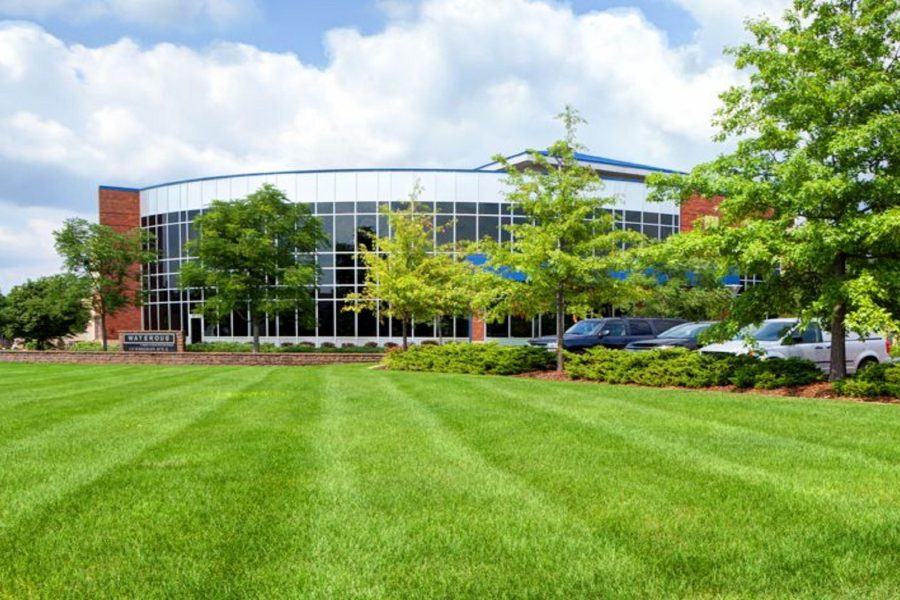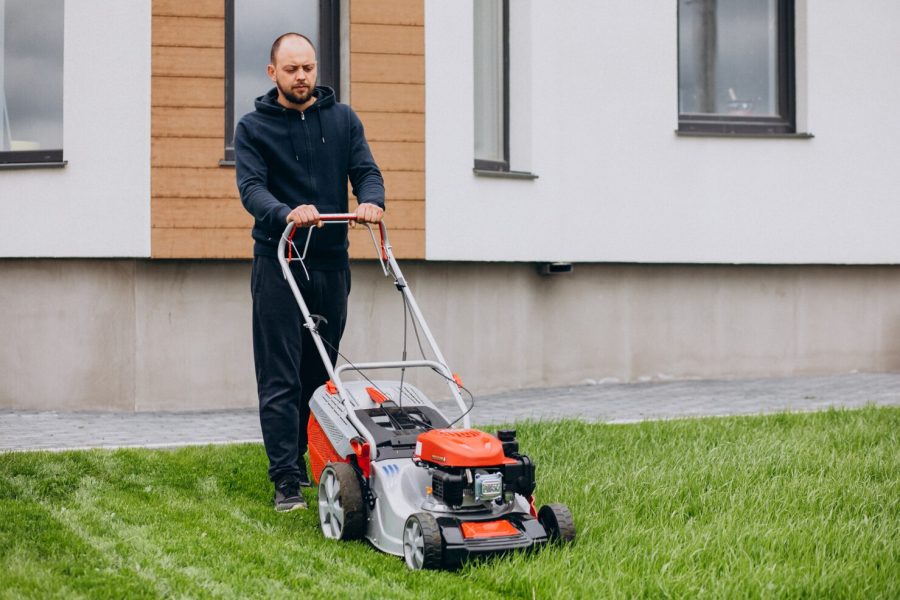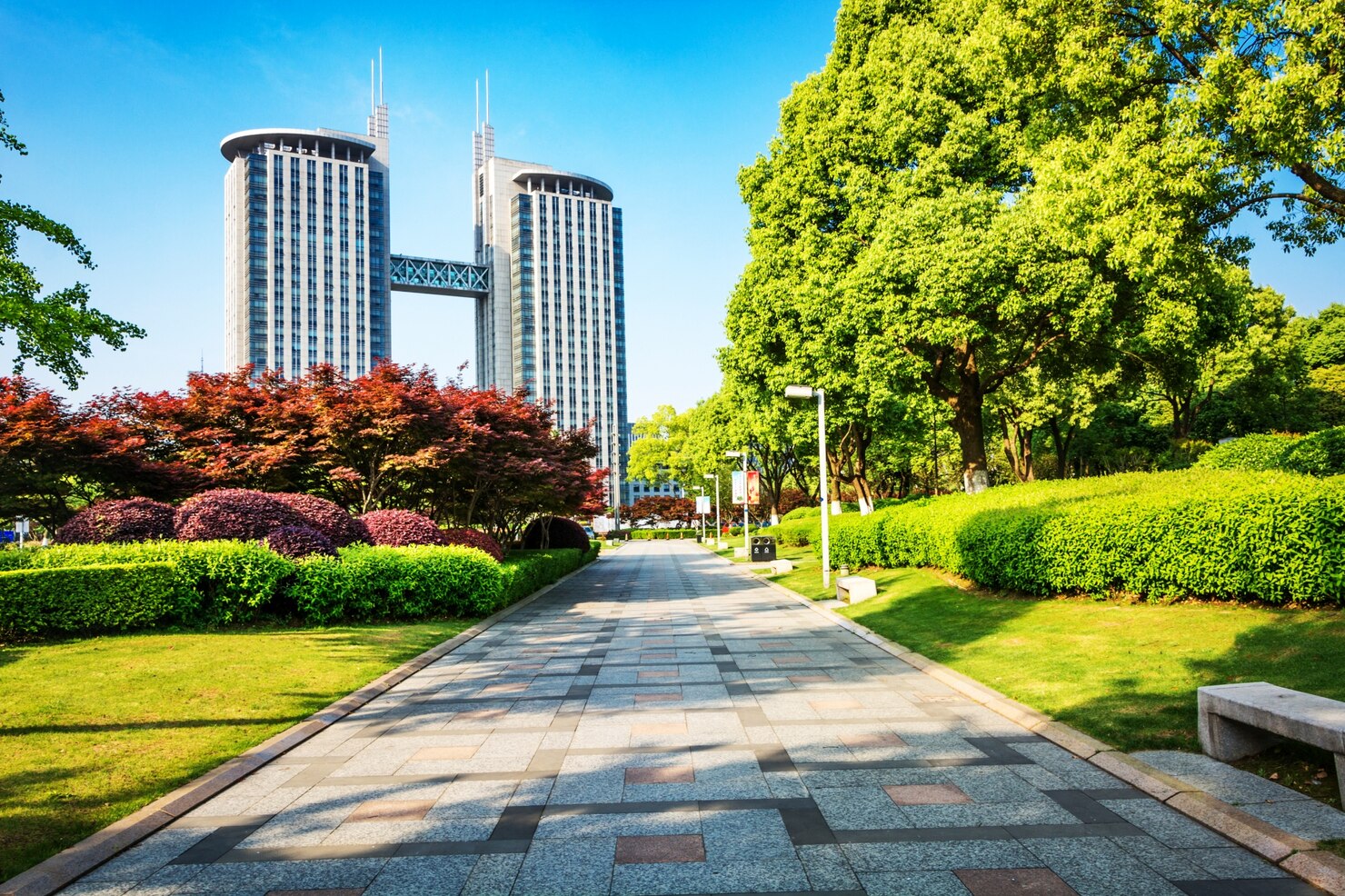
Landscape problems may seem minor at first, yet they often grow into larger issues that affect budgets and tenant satisfaction. That’s why commercial garden maintenance shapes how a property performs over the long run.
Beyond appearance, the exterior of any commercial building creates a positive impression for clients, visitors, and tenants before anyone reaches the front desk. But once the grounds begin to deteriorate, that positive first impression fades quickly, often within seconds of arrival.
So neglected lawns, weed-heavy beds, and overgrown hedges signal deeper issues in property management. In this blog, we will break down the importance of a well-maintained landscape and what to look for before partnering up with professionals.
Importance of Landscaping Matters for Commercial Properties
Landscaping matters because it shapes how clients, tenants, and investors view a property from the start. Beyond curb appeal, well-maintained grounds support tenant retention, protect asset value, and reduce reactive cleanup costs year-round.
For context, Canada’s terrestrial territory spans 9,984,670 square kilometres, a significant portion of which is occupied by commercial sites where exterior presentation plays an important role in how tenants and clients perceive a business. On those sites, well-maintained grounds reflect active management. But once commercial garden maintenance is compromised, every visitor notices the difference before reaching the front door. Here are 7 ways landscaping influences how a commercial property performs:
- Enhances property value through visible, ongoing care
- Reinforces brand image with a clean, dependable exterior
- Creates strong first impressions for clients and walk-in visitors
- Improves customer experience around entrances and shared spaces
- Supports safety and accessibility along walkways and parking edges
- Supports tenant retention by keeping daily working environments pleasant
- Contributes to healthier workplace environments and stronger staff morale
8 Problems Commercial Properties with Landscape Have!
Commercial sites typically face eight recurring landscape problems from overgrown lawns and weed infestations to drainage failures, foot-traffic damage, hardscape wear, and seasonal debris. In fact, most of these issues develop gradually, and tenants notice them long before any repair invoice arrives. Here are 8 common problems typically addressed through scheduled commercial garden maintenance.
1. Overgrown lawns and unmaintained green spaces
Overgrown lawns appear once mowing and edging cycles fall behind on commercial sites. 3 common signs include:
- Uneven grass height across visible zones
- Bald patches from skipped reseeding rounds
- Edges spilling into walkways and parking borders
2. Weed infestations in landscape beds and common areas
Beds and bare soil quickly become vulnerable when they don’t receive regular treatment, allowing weeds to establish and spread. Watch for 3 patterns to identify issues early:
- Creeping weeds inside ornamental beds
- Crack-line weeds along paving and curbs
- Dandelions and crabgrass running through turf
3. Seasonal plant health and landscape decline
Plant health suffers when fertilization, watering, and pruning are neglected. Here are 3 common indicators include:
- Thin, patchy turf during peak months
- Stunted blooms across landscape beds
- Yellowing leaves on shrubs and perennials
4. Drainage problems that damage commercial landscapes
Drainage issues occur where water collects on lawns and along hardscape borders. Look for these 3 signals:
- Eroded soil along bed borders
- Standing water across lawn sections
- Soaked mulch lifting from planted beds
5. Landscape damage caused by heavy foot traffic
Foot-traffic damage is visible around busy entryways where soil compacts. Look for these 3 markers:
- Worn dirt tracks across grass
- Crushed plants along edge borders
- Compacted soil near building entrances
6. Tree, shrub, and hedge maintenance challenges
Hedges and trees develop problems when pruning is delayed, resulting in overgrown, misshapen growth. Watch for the following 3 signs:
- Hedges creeping into walkways
- Dead branches above parking zones
- Shrubs blocking windows and signage
7. Hardscape deterioration around commercial landscapes
Hardscape wear appears along walkways and bed borders after freeze cycles. Here are 3 signs:
- Lifting border edges around beds
- Cracked paving stones along pathways
- Stains and discolouration across walkway surfaces
8. Seasonal cleanup and debris management issues
Seasonal debris builds up after storms or leaf fall, creating an impression of neglect for visitors. The 3 most visible signs include:
- Stray waste along property edges
- Leaf cover covering grass and beds
- Storm debris scattered across the parking lots
Why a Proactive Commercial Landscape Maintenance Plan is Necessary?
A planned approach matters because reactive landscaping costs more and leaves visible damage. That’s why steady commercial garden maintenance identifies small issues early, protects budgets and keeps grounds presentable in every season. Here are the 7 elements of a strong plan:
- Irrigation monitoring: Adjust watering accordingly so plants are neither dry nor drowned
- Property appearance audits: Conduct regular walkthroughs and identify issues early
- Seasonal maintenance: No compromise on maintenance regardless of the season.
- Scheduled inspections: Identify small issues before they require full repair cycles
- Weed management plans: Treat beds, turf and pathways before weeds spread
- Shrub and hedge maintenance: Keep sightlines, signage and entrances clear
- Lawn care programs: Cover mowing, edging and fertilization on rotation
What Property Managers Should Look for in a Commercial Landscaping Partner
Property managers should look for landscaping partners that combine reliability, clear communication, commercial experience, and scheduled service. Ultimately, the right partner removes follow-up stress and maintains a consistent standard across every visit. Here are 7 qualities that separate dependable garden maintenance providers from the rest:
- Scalability: The ability to expand services as portfolios grow
- Reliability: Arrives on the scheduled day, every cycle, across seasons
- Communication: Quick responses, clear updates, and direct lines for site issues
- Safety compliance: Handles insurance, training, and on-site protocols seamlessly
- Consistent service schedules: Same crew, same standard, same routine each visit
- Seasonal planning: Solid programs across mowing, cleanup, and winter preparation
- Commercial experience: Proven track of working with multi-tenant and business sites
Explore Professional Landscape Maintenance for Commercial Properties!
Professional landscape maintenance changes how tenants, clients, and visitors perceive a property over time. Well-kept grounds build trust while poorly maintained grounds reduce tenant retention. Therefore, property managers who commit to planned Commercial Garden Maintenance typically hear fewer complaints, stronger renewals, and control costs more effectively.
For commercial properties, consistency matters in every season. That is where Allison Bros can help, delivering reliable service and a uniform standard on every visit. Book your commercial maintenance program today to keep your landscape looking professional and remove the guesswork from upkeep.
Frequently Asked Questions (FAQs)
Q1. What are the most common commercial landscaping problems?
The most common issues include overgrown lawns, weed infestations, drainage failures, foot-traffic damage and seasonal cleanup gaps across most commercial sites.
Q2. How often should commercial landscapes be maintained?
Most commercial sites do well with weekly or biweekly visits throughout the growing season, plus separate schedules for hedges, beds, and seasonal cleanups.
Q3. How does landscaping affect tenant satisfaction?
Tenants perceive property management quality by looking at the exterior. That’s why commercial garden maintenance supports renewals, while neglected ones force tenants to exit early.
Q4. Why is preventative landscape maintenance important?
Preventive care identifies minor issues before they require costly repairs, helping keep budgets steady and properties presentable in every season.