
When a lawn stops responding to regular maintenance, the problem is almost always below the surface. Our dethatching and aeration service clears the thatch layer, relieves soil compaction, and restores the conditions your grass needs to grow consistently – without the guesswork of where to start.
Dethatching and Aeration Services
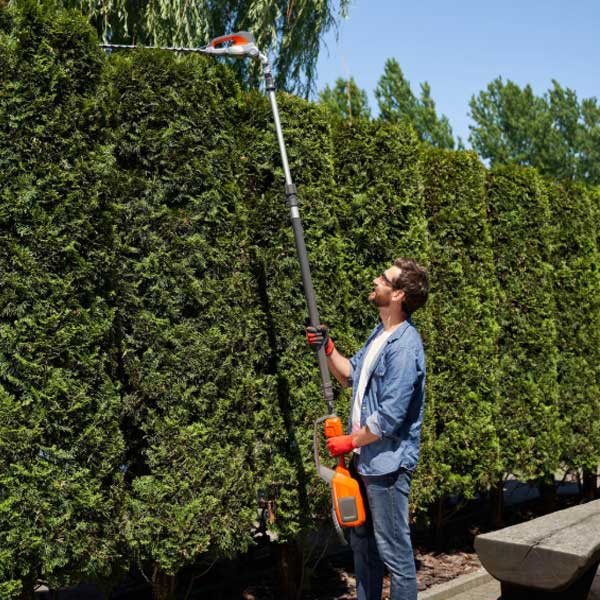
Aeration & Dethatching Service That Restores Your Lawn Health
Most lawns that struggle aren’t being neglected – they’re being maintained on top of a problem that surface care can’t fix. Thatch builds up quietly, compaction sets in gradually, and before long the fertilizer and water going in aren’t reaching the roots they’re meant for.
That’s where our dethatching and aeration service makes the biggest difference – restoring the conditions healthy grass actually depends on. Two decades of lawn care experience means we know that what’s visible on the surface rarely tells the full story. Before deciding how and when to treat, we look at what’s actually happening underneath – thatch depth, compaction level, grass type, and seasonal timing all shape our aeration and dethatching service.
The proof shows up in how the lawn performs through the rest of the season and it compounds with every week that follows a properly carried out dethatching and aeration service.
What Goes Into a Proper Aeration and Dethatching Service
Our dethatching and aeration service covers more than just running equipment across the lawn. Every visit starts with an honest assessment of what the turf actually needs and the work that follows is timed and executed to give the grass the best possible recovery window, including the following services:
- Lawn assessment – thatch thickness measurement and compaction testing
- Mechanical thatch removal for lawn dethatching calibrated to the right depth for your turf
- Core aeration, soil plug extraction and fertilization to maximize nutrient uptake
- Layering soil for garden beds and bare lawn areas as part of post-treatment restoration
- Front yard garden design where dethatching reveals areas needing replanting or redesign
- Lawn and garden maintenance scheduling built around your property’s seasonal recovery
Keep in Touch
Get A Quote
FAQs
Frequently Asked Questions
Which is better, dethatching or aerating?
Neither replaces the other – they solve different problems. Dethatching removes the accumulated layer of dead organic matter blocking the surface. On the other hand, aeration relieves soil compaction below it. Our dethatching and aeration service addresses both together because a lawn with significant thatch almost always has compaction underneath it too.
What comes first, dethatching or aerating?
Dethatching first – removing the thatch layer before aerating means the aeration cores can penetrate the soil properly rather than being blocked by the organic debris above it. Our aeration and dethatching service follows the correct sequence every time, so both treatments deliver the results they’re supposed to.
How long should I wait to aerate after dethatching?
Back to back in the same visit is actually the most effective approach – dethatch first, then aerate immediately after. Waiting between the two isn’t necessary and delays the window where the lawn can benefit from both treatments together. Our dethatching and aeration service handles both in a single properly sequenced visit.
What are the signs that your lawn needs dethatching?
Walk across your lawn after the rain. If it feels spongy, water is sitting on top, and the turf hasn’t filled in despite regular care – thatch is almost certainly the reason. Half an inch is the threshold. Past that, the layer is blocking everything your lawn needs underground.
Is it good to dethatch and aerate at the same time?
Yes, and doing them separately is actually the less effective option. Dethatch first to clear the surface, then aerate immediately after so the cores can penetrate properly.
